
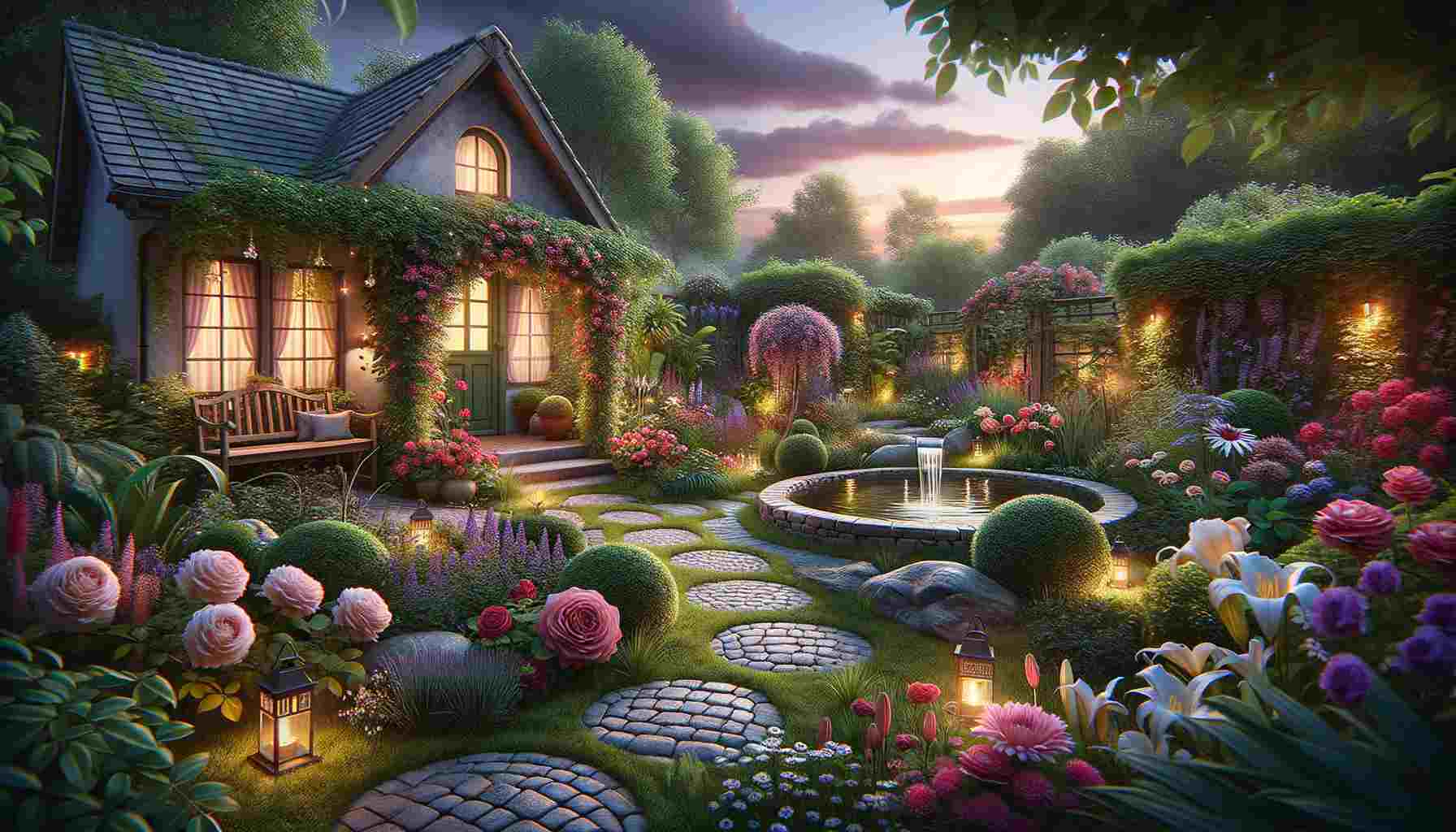

In a world where concrete jungles and digital screens seem to dominate our lives, the timeless art of landscaping offers a refreshing escape into nature’s embrace. For those who, like me, find solace and creativity in the harmony of the natural world, landscaping is not merely a hobby—it’s a form of art that transforms spaces into living masterpieces.
Landscaping is the practice of designing outdoor environments. It involves the thoughtful arrangement of natural elements such as plants, water features, rocks, and even artificial structures to create a harmonious and aesthetically pleasing space. At its core, landscaping is more than just planting a few trees or shrubs; it’s about creating a symphony of color, texture, and form that changes with the seasons.
One of the most gratifying aspects of landscaping is the ability to work with living materials that grow and evolve over time. It’s a dynamic art form, where each decision influences the future tapestry of the garden. From selecting the right species of plants to considering the interplay of sunlight and shade, every choice contributes to the overall design.
A key principle in landscaping is balance. This doesn’t necessarily mean symmetry, but rather a pleasing distribution of elements that guide the eye and create a sense of unity. Whether you’re crafting a formal garden with neatly trimmed hedges or a wildflower meadow with a naturalistic appeal, balance ensures that no single element overpowers the others.
Color is another crucial component in the landscaper’s palette. By strategically selecting and placing plants that bloom at different times, you can maintain a vibrant display throughout the year. Consider the calming effect of blues and greens or the energizing pop of reds and yellows. The interplay of colors can reflect your personality and evoke different moods.
Texture adds depth and interest to any landscape. Pairing the feathery fronds of ferns with the broad leaves of hostas, or contrasting the smooth bark of birch trees with rough stone pathways, can create a tactile experience that invites touch and exploration. Incorporating various textures not only enriches the visual appeal but also provides habitats for a wide range of wildlife.
Water features, such as ponds or fountains, introduce the soothing sound of flowing water and attract birds and insects, adding life to your landscape. The gentle ripple of water can be a meditative element that enhances the overall tranquility of the space.
The practice of landscaping also connects us with the rhythms of the natural world. It teaches patience and mindfulness as we observe the slow growth of plants and the changing seasons. Tending to a garden allows for reflection and a deeper understanding of the environment, fostering a sense of stewardship for the earth.
In conclusion, landscaping is more than just a hobby; it’s a journey into the heart of nature. It allows us to express our creativity, enhance our living spaces, and find peace in the beauty of the outdoors. Whether you have a sprawling estate or a small urban balcony, the principles of landscaping can be applied to create your own slice of paradise. As you embark on your landscaping adventure, remember that it’s not about perfection, but about crafting a space that resonates with you and celebrates the wonders of the natural world.
Comments
2 responses to “The Art of Landscaping: Crafting Nature’s Canvas”
Alma, your article "The Art of Landscaping: Crafting Nature’s Canvas" beautifully captures the essence of transforming outdoor spaces into living works of art. It’s like turning a blank canvas into a masterpiece where nature itself holds the paintbrush. As someone who enjoys gardening, I couldn’t agree more with your insights on the dynamic and evolving nature of landscaping.
I particularly appreciate your emphasis on balance and how it doesn’t necessarily mean symmetry. In a world striving for perfection, it’s refreshing to be reminded that harmony can be found in diversity and that each element, whether a plant or a water feature, plays its unique role in the overall composition. It’s a bit like a jazz ensemble—each part has its moment to shine, yet together they create something truly remarkable.
Your discussion on color and texture is spot-on. It’s fascinating how the choice of plants can evoke different emotions and create various moods throughout the year. The tactile experience of contrasting textures, like the smooth bark and rough stone pathways, adds another sensory layer to the garden that sounds just delightful.
Lastly, the way you highlight the meditative aspect of landscaping resonates deeply. In our fast-paced lives, the garden becomes a sanctuary, a place where we can slow down, connect with the earth, and perhaps even share a dad joke with a passing squirrel. Your closing encouragement to embrace imperfection and let our creativity flow is inspiring and liberating.
Thank you for this insightful read. It’s a reminder that whether we’re managing a sprawling estate or just a humble patch of green, the principles of landscaping invite us to celebrate the beauty of nature in our own unique way.
Hello Alma,
Your article, "The Art of Landscaping: Crafting Nature’s Canvas," beautifully captures the essence and transformative power of landscaping. You’ve eloquently described how landscaping transcends its perception as a mere hobby and becomes an art form that harmonizes natural elements to create living masterpieces.
The way you emphasize the dynamic nature of landscaping is particularly compelling. Landscaping as a "dynamic art form" resonates well with anyone who has observed how gardens and outdoor spaces evolve over time. This aspect of change and growth introduces a unique form of creativity and spontaneity that static art forms may lack.
Your discussion on balance, color, and texture highlights the nuanced artistry involved in landscaping. The idea that balance doesn’t necessitate symmetry is an insightful perspective, showing that harmony can be achieved in various ways, much like in design patterns where the solution doesn’t always follow a one-size-fits-all approach. The integration of color to evoke emotions and textures to add depth feels similar to how a software developer might use different design patterns to create a cohesive and user-friendly application.
Additionally, your mention of water features as a meditative element aligns with the idea of creating a multisensory experience in landscapes, just as an interactive web application might engage users through various sensory channels. Your recognition of the rhythms of the natural world and the patience it teaches is a gentle reminder of the broader life lessons that can be gleaned from such a practice.
In conclusion, your article is a testament to the profound impact landscaping can have on our lives, encouraging us to find solace and inspiration in nature. Whether one is a seasoned landscaper or a novice, your words motivate readers to engage with the natural world more deeply, crafting spaces that reflect personal creativity and celebrate the earth’s beauty.
Thank you for sharing this thoughtful piece!